

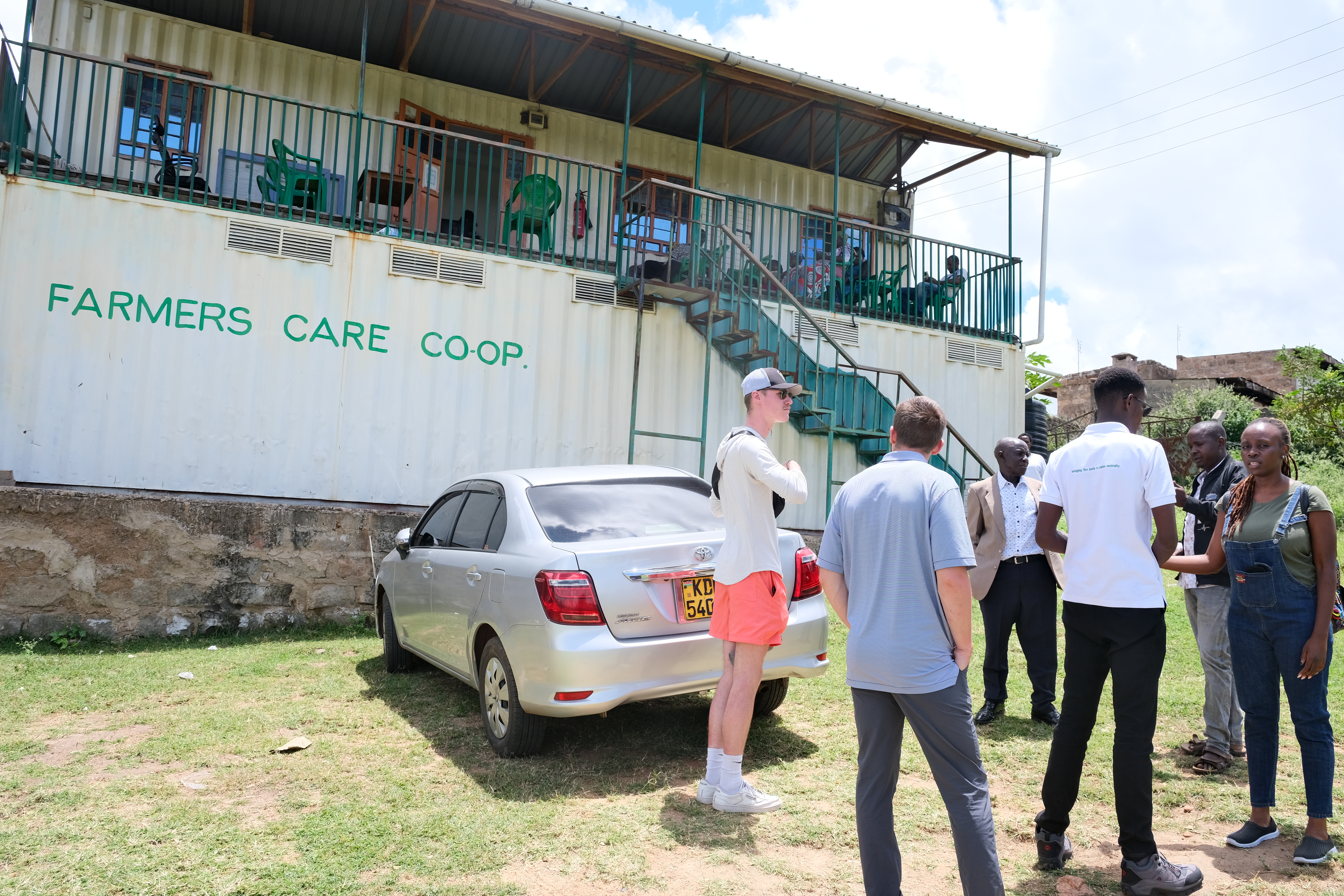
Wamunyu is a microcosm of the agricultural challenges facing semi-arid regions. Prolonged use of synthetic fertilizers has hardened the soil. The cooperative's oil-extraction operations generate sunflower husks as a disposal burden. Maize cobs accumulate as a livestock choking hazard. Pigeon pea stalks pile up as a waste stream nobody wants.
Read those problems as a list, and they look like nothing more than rural hardship. Read them together, and they look like an opportunity hiding in plain sight.
The opportunity, in one sentence
Agricultural liabilities can be transformed into soil-building assets through biochar production — and carbon finance is the economic catalyst that closes the loop.
The soil told us first. Long before the science arrived, the land was already telling the cooperative what it needed. — A farmer in Wamunyu
Why biochar, why now
Biochar is one of the few carbon-removal pathways that doubles as a soil amendment. The carbon is locked away for centuries. The soil — increasingly hardened by decades of synthetic inputs — gets back the structure it lost.
At a glance. Inputs: sunflower husks, maize cobs, pigeon pea stalks. Methodology: Puro.earth 2025. Annual target: 10,000+ tonnes of biochar. Community: the Wamunyu cooperative.
What the next year looks like
We're scaling the production model with the cooperative, completing baseline soil-carbon measurement, and onboarding Wamunyu's data into Pamoja DMRV so every batch of biochar can be traced from feedstock to field.
Want to follow this project? Read the project page or explore live data on Pamoja DMRV ↗.
Join the conversation
Comments are powered by GitHub Discussions via Giscus. Sign in with a GitHub account to post, or email us if you'd rather share your thoughts privately.